
Fiber optics became the backbone of high-speed networks after its invention in the 1960s and widespread deployment in the 1980s. With Los Angeles home to entertainment studios, tech offices and data centers, it helps to know where fiber came from and where it is going.
A short history
Researchers developed the first optical fibers in the 1960s, but early fibers lost too much signal to be practical. Breakthroughs in the 1970s cut that loss dramatically and made fiber viable for telecommunications.
By the 1980s, fiber was replacing copper in telephone networks and long-distance data transmission, carrying more data at higher speeds with less interference.
- 1970s: Low-loss silica fibers
- 1990s: Expansion into internet backbone infrastructure
How it is used now
Fiber is the standard for internet service providers, data centers and enterprise networks because it handles multi-gigabit speeds with minimal latency. In Los Angeles it connects studios moving large video files and corporate offices that rely on the cloud. It supports:
- Video streaming and content delivery
- Cloud computing and storage
- Smart city infrastructure and IoT devices
- Enterprise networking
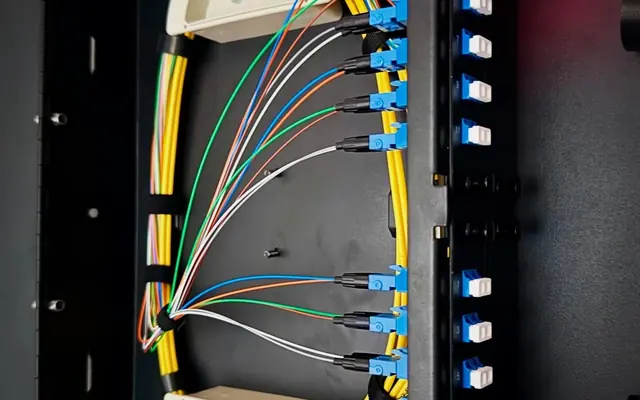
Single-mode fiber dominates long-distance and high-speed links, and multimode is common inside buildings and campuses. We install both, mostly for Ubiquiti systems.
Trends in 2026
Higher fiber density
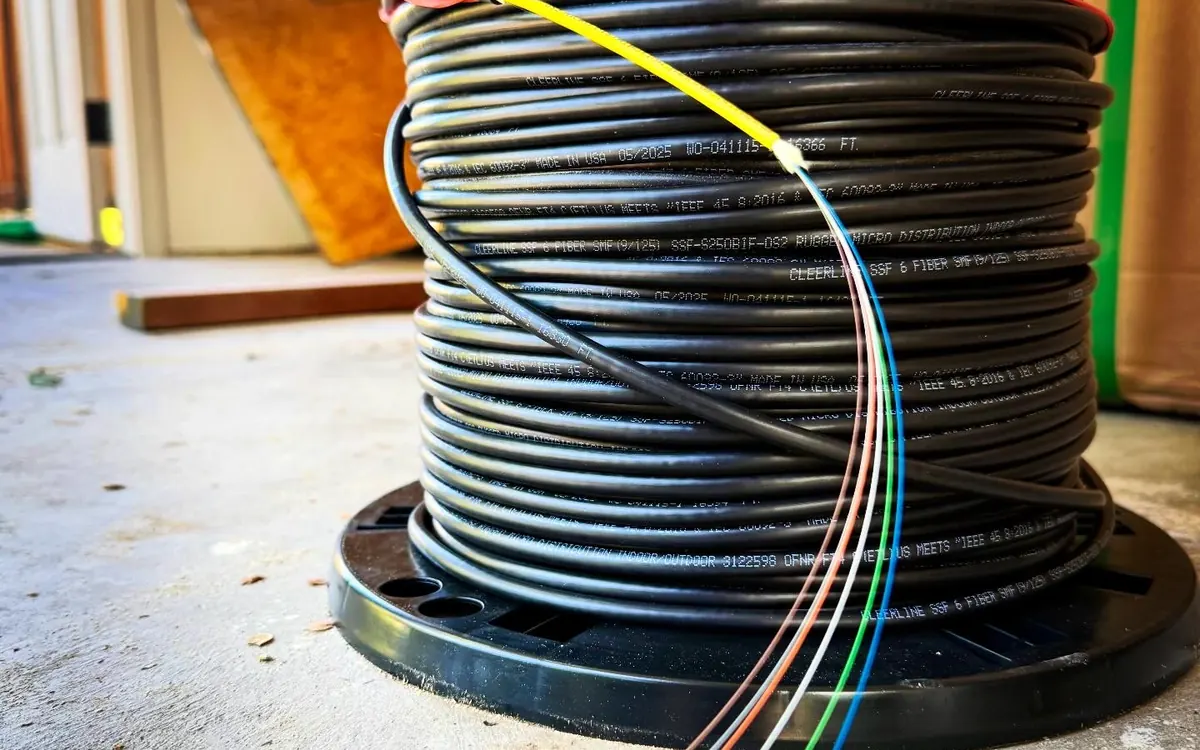
Data centers and network hubs need more connections in less space. Newer cable designs pack more fibers into thinner, more flexible cables.
AI data centers
AI workloads produce large data flows that need fast, low-latency connections, which fiber provides.
Multi-gigabit speeds
Fiber keeps getting faster, with multi-gigabit and even terabit speeds for applications like virtual reality, 8K video and large simulations.
What this means in Los Angeles
Studios need networks that move large video files quickly. Tech companies need reliable fiber for cloud services and AI applications. Remote work raises demand for fast, stable internet in offices and homes. We install single-mode and multimode fiber for Ubiquiti systems to meet those needs.
Looking past 2026
Photonic integrated circuits and space-division multiplexing promise more capacity. As 5G and eventually 6G expand, fiber will remain the backhaul and core of those networks. When you plan upgrades or new installs, build with these trends in mind.
To talk about fiber for your building, call (818) 809-6743 or email office@gbittech.net, or see our fiber optics page.